Gastro-Oesophageal Reflux Disease (GORD)
Relief from Persistent Reflux Starts Here
While occasional heartburn is common, frequent acid reflux could be a sign of a more serious condition known as Gastro-Oesophageal Reflux Disease (GORD). At Dr. HR Schneider’s practice in Parktown, Johannesburg, we help patients manage and treat GORD with personalized care rooted in decades of gastroenterology expertise.
One of the primary areas affected by GORD is the oesophagus, and several complications can arise in this organ due to chronic acid and or bile exposure:
1. Oesophagitis: This is inflammation of the oesophageal lining. Symptoms include painful swallowing, chest pain, and in severe cases, bleeding. Chronic oesophagitis can lead to ulcers and scarring.
2. Oesophageal strictures: Repeated damage from Stomach acid can cause scar tissue to form, narrowing the oesophagus. This can lead to difficulty swallowing and a feeling of food getting stuck in the throat.
3. Barrett’s Oesophagus: This condition occurs when the cells lining the lower oesophagus change, becoming more like intestinal cells. It is a precancerous condition that increases the risk of oesophageal cancer. While only a small percentage of people with GORD develop Barrett’s oesophagus, it is a serious complication that requires regular monitoring.
4. Oesophageal Cancer: Although rare chronic GORD can slightly increase the risk of developing oesophageal adenocarcinoma, particularly in those with Barrett’s oeosphagus.
These complications underscore the importance of managing GORD effectively. Regular endoscopies may be recommended for individuals with longstanding GORD to monitor for these conditions, especially Barrett’s oesophagus.
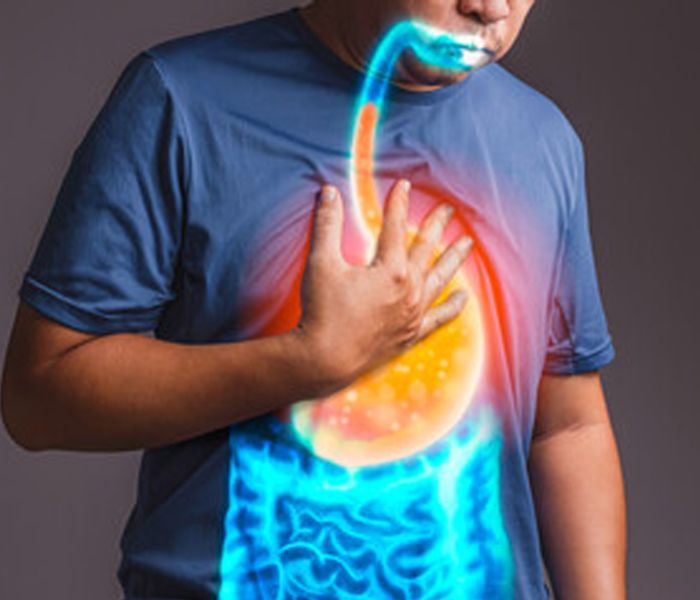
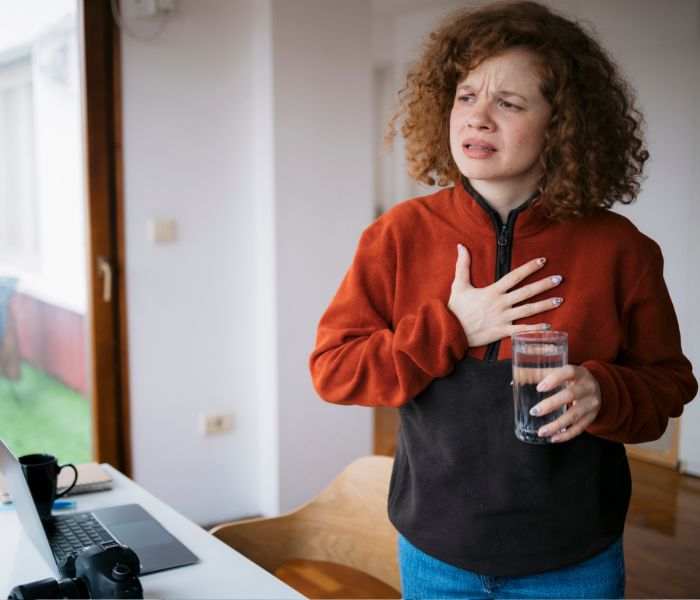
Common GORD Symptoms
If you’re experiencing persistent reflux or heartburn, it may be time to seek expert evaluation. Symptoms of GORD can include:
A burning sensation in the chest (especially after meals)
Regurgitation of food or sour liquid
Difficulty swallowing
Chronic cough or sore throat
Sensation of a lump in the throat
Hoarseness or voice changes
These symptoms can range from mild to severe and often worsen when lying down or after eating.
Diagnostic Tools & Treatment Options
At our practice, we provide a range of diagnostic procedures to assess reflux severity and rule out other conditions:
Gastroscopy – Direct visualization of the esophagus and stomach lining
pH Monitoring – Measuring acid levels in the esophagus
Lifestyle and Dietary Assessments – Identifying triggers and recommending changes
Medication to reduce acid production
Dietary and lifestyle modifications
Guidance on eating habits, posture, and sleep positioning
In more advanced cases, referral for surgical intervention

Your Digestive Health Matters.
Book a consultation with Dr. HR Schneider, a leading gastroenterologist in Johannesburg, and take the first step toward better digestive wellness.