Table of Contents
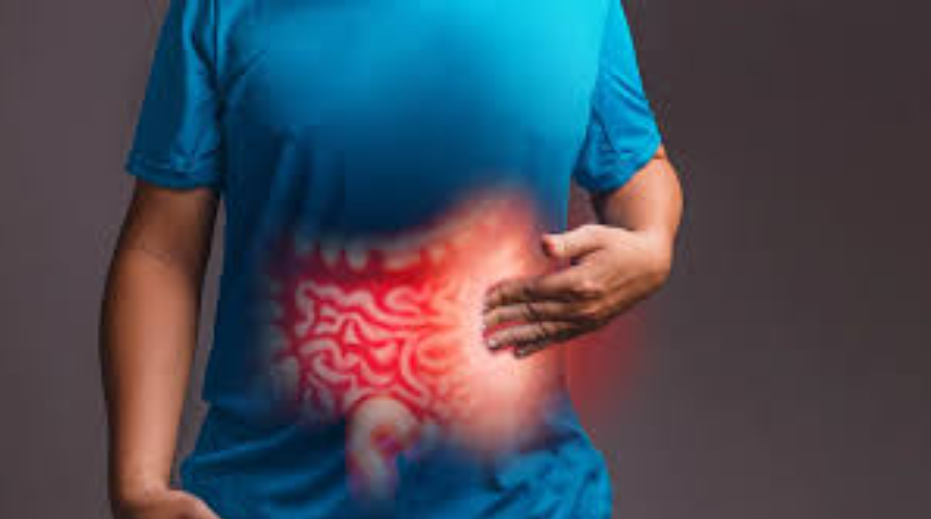
ToggleIrritable Bowel Syndrome (IBS) is a common gastrointestinal disorder that affects approximately 15% of the global population. It is more frequently diagnosed in women and, while it causes significant discomfort, it does not cause lasting damage to the intestines, nor does it lead to intestinal bleeding or cancer.
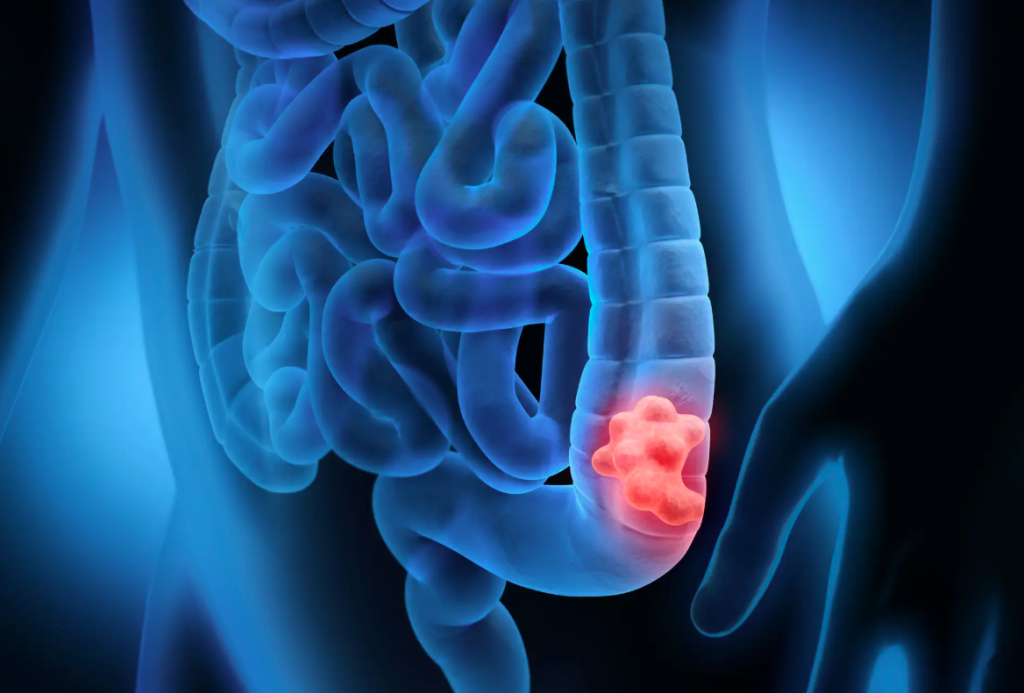
There are no visible signs of disease during colon examinations — much like a headache or a muscle strain, IBS is a functional disorder that causes pain and distress without structural damage.
🔍 Symptoms of IBS
IBS is associated with a variety of symptoms, which can vary from person to person:
- Abdominal pain or cramping
- Gas and bloating
- Changes in bowel habits, such as:
- Diarrhea
- Constipation
- Alternating between diarrhea and constipation
- Urgency to use the bathroom
- Mucus in the stool
Symptoms may occur more than three times a month and persist for over three months. If so, it’s important to consult a healthcare provider.
🧪 Types of IBS
There are different subtypes of IBS based on stool patterns:
- IBS-D: IBS with predominant diarrhea
- IBS-C: IBS with predominant constipation
- IBS-M: Mixed IBS (alternating between diarrhea and constipation)
🧠 What Causes IBS?
The exact cause of IBS is not fully understood. However, contributing factors include:
- Brain-gut dysfunction – disrupted communication between the gut and nervous system
- Abnormal intestinal muscle contractions
- Increased sensitivity of intestinal nerves
- Stress and emotional factors
- Dietary triggers
🧪 Diagnosing IBS
Diagnosis typically involves:
- A thorough medical history
- Physical examination
- Blood and stool tests to rule out infections or other conditions
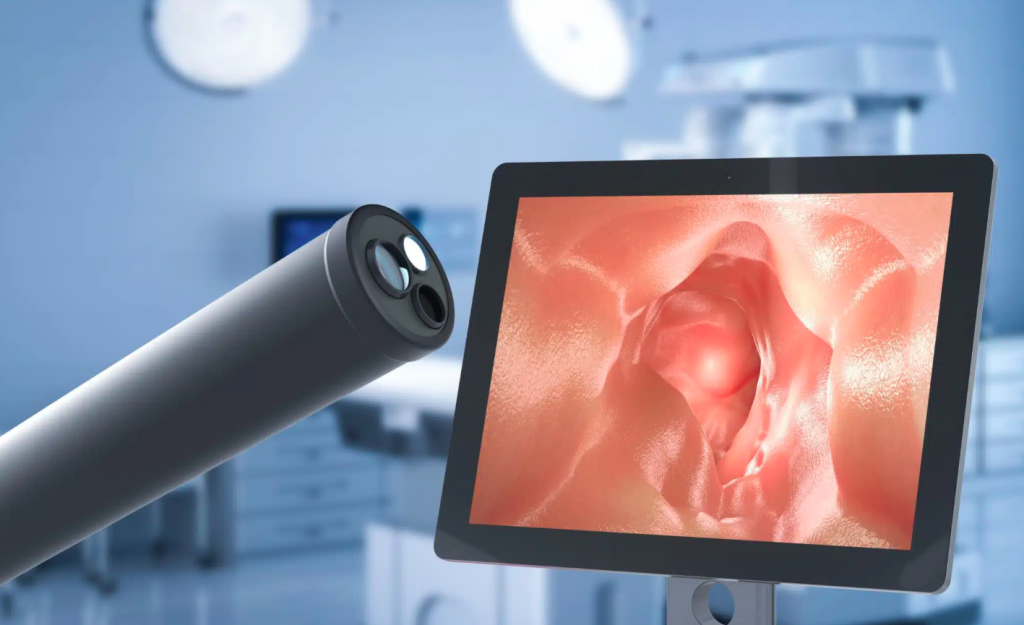
- For adults over 45 years old, a colonoscopy may be recommended to exclude other causes
💡 Managing IBS
While there is no cure, most people manage symptoms through lifestyle changes, diet, and sometimes medication.
🥦 Diet
- Identify and avoid trigger foods (e.g., dairy, high-fat foods)
- Consider a low FODMAP diet (foods low in fermentable sugars)
- Increase soluble fiber for IBS-C (constipation)
- Stay hydrated
💊 Medications
- Probiotics
- Fibre supplements or stool softeners
- Anti-diarrheal agents (e.g., loperamide) for IBS-D
- Antibiotics (e.g., rifaximin) in some cases
- Antispasmodic and low-dose antidepressant medications to relieve pain
🧘 Psychological Support
- Cognitive Behavioral Therapy (CBT)
- Mindfulness, meditation, and stress management techniques
- Support groups or individual counseling
❤️ Quality of Life
IBS can affect you physically, emotionally, and socially. With the right support, most patients are able to manage symptoms effectively and maintain a normal lifestyle.
If you’re experiencing ongoing symptoms, don’t ignore them — speak to your doctor to develop a personalized management plan.