Table of Contents
ToggleA colonoscopy is a test used to examine the inside of your colon (large intestine). It is performed by a gastroenterologist, a doctor who specializes in the gastrointestinal (GI) tract.
How Does It Work?
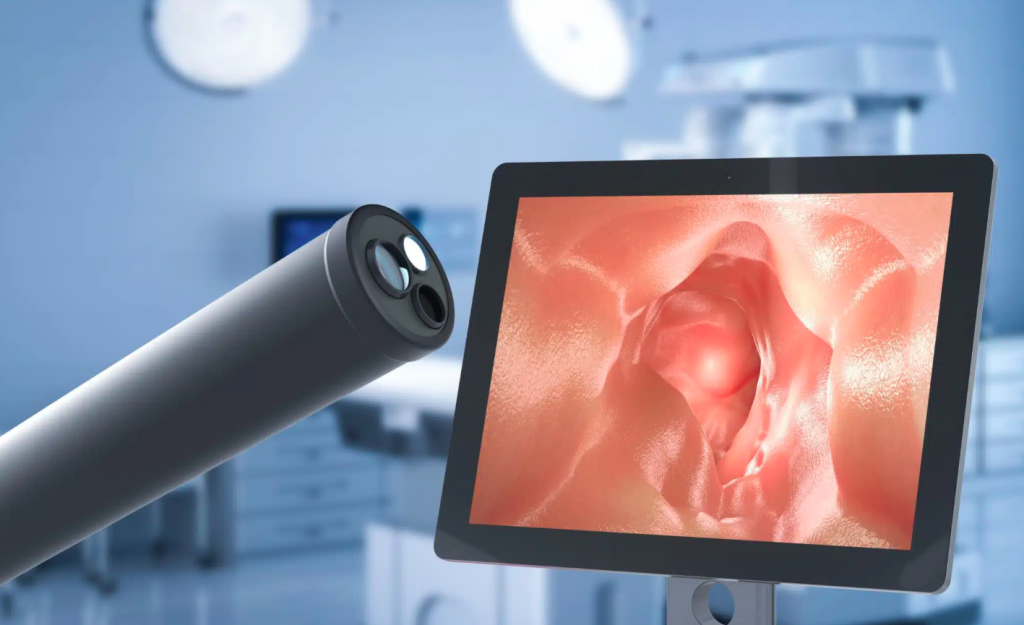
The main tool used is a colonoscope — a long, thin, flexible tube (about the width of your little finger) with a tiny camera and light at the end. It’s long enough to examine the entire colon and even the lower part of the small intestine.
A colonoscopy is a safe and effective way to:
- Diagnose gastrointestinal health issues.
- Detect diseases like colitis and colorectal cancer.
- Remove polyps or take biopsies (tissue samples).
Why Is It Important?
Colonoscopy is the gold standard for detecting and preventing colorectal cancer (CRC) — the third most common cancer in both men and women and the second leading cause of cancer-related deaths in the U.S.
About Colon Polyps:
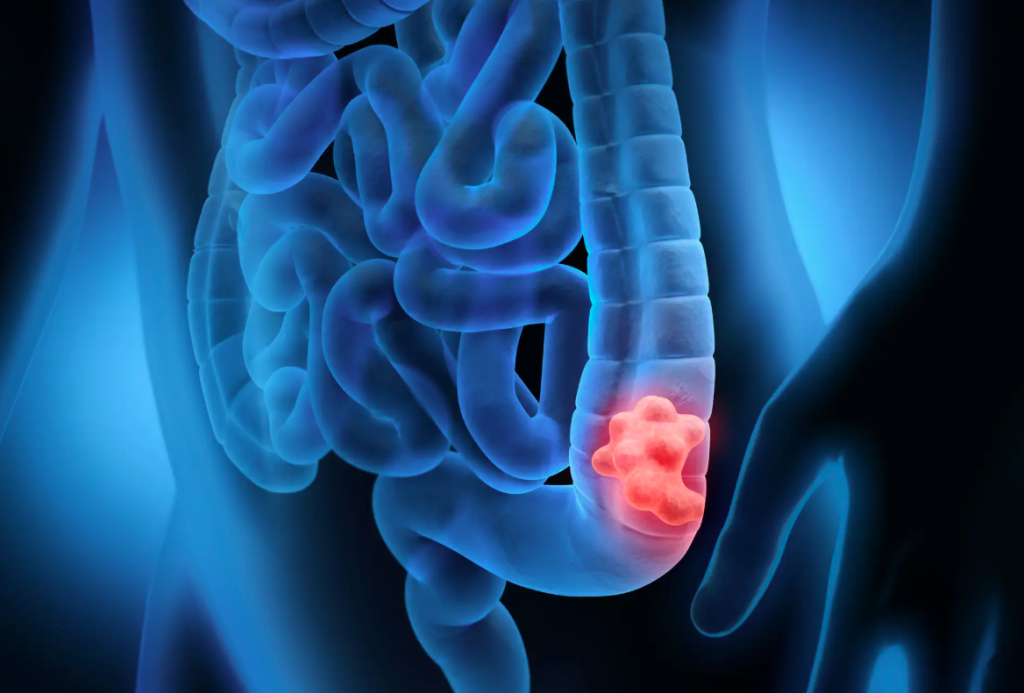
- Polyps are small growths on the inner wall of the colon or rectum.
- Some polyps develop into cancer over time.
- Removing them early can prevent cancer.
When Should You Get Screened?
- Average-risk individuals: Start at age 45.
- High-risk individuals (e.g., family history, Crohn’s disease, ulcerative colitis): Speak to your doctor about earlier screening.
When Is a Colonoscopy Recommended?
Your doctor may recommend a colonoscopy if you have:
- Persistent belly or rectal pain.
- Blood in your stool.
- Long-lasting diarrhea or changes in bowel habits.
- Swelling/inflammation found on a CT scan.
What Happens During a Colonoscopy?
- You’ll change into a hospital gown and receive an IV line for fluids and medication.
- You’ll be given medicine to make you relaxed or fully asleep.
- The doctor will:
- Do a gentle rectal exam.
- Insert the colonoscope through your rectum.
- Inflate your colon with air for better visibility.
- If necessary, polyps can be removed or biopsies taken — painlessly.
The procedure typically takes 30–60 minutes, depending on findings.
What to Expect After the Test
- You’ll rest in a recovery area until you’re alert.
- Your doctor will share the results or next steps.
- If biopsies were taken, you’ll be told when to expect results.
- You may feel bloated or crampy for a few hours.
- You cannot drive, work, or make important decisions the same day.
- You must have someone to drive you home.
How to Prepare
1. Inform Your Doctor If You:
- Have diabetes, heart/lung issues, bleeding problems, or implanted devices.
- Take blood thinners, aspirin, NSAIDs, or other medications.
2. Clean Out Your Colon
This is critical for a successful test:
- You’ll be given a laxative drink or other bowel prep.
- You may be asked to eat only clear liquids the day before.
- Follow instructions exactly — or the test may need to be rescheduled.
Is It Safe?
Yes — colonoscopy is considered very safe, but rare risks include:
- Tearing or perforation of the colon wall.
- Heavy bleeding from a biopsy or polyp removal.
- Missed abnormalities, even with skilled doctors.
Final Reminders
- Know exactly where to go for your appointment.
- Bring all medication info, including allergies and supplements.
- Ask questions if anything is unclear.
- Plan for rest afterward and arrange transportation home.
Reviewed by a healthcare professional. For any questions about your procedure or condition, consult your doctor.