Table of Contents
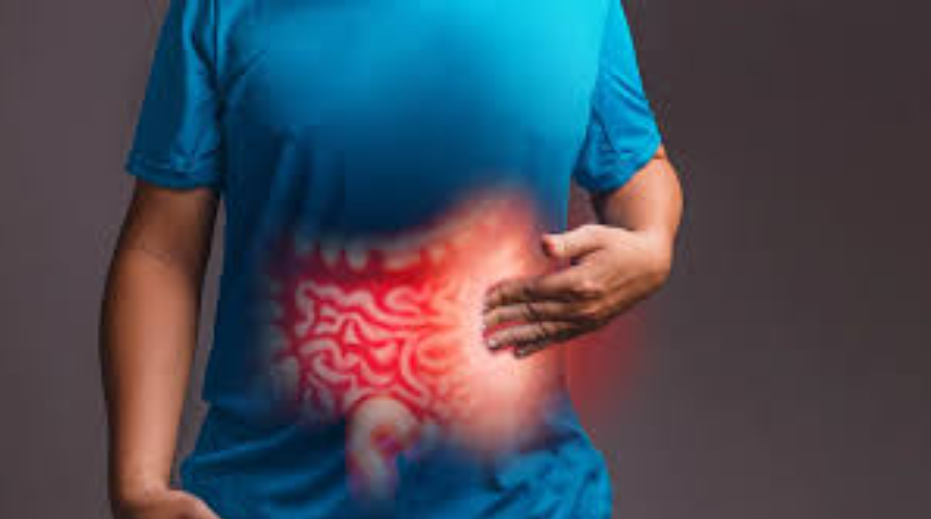
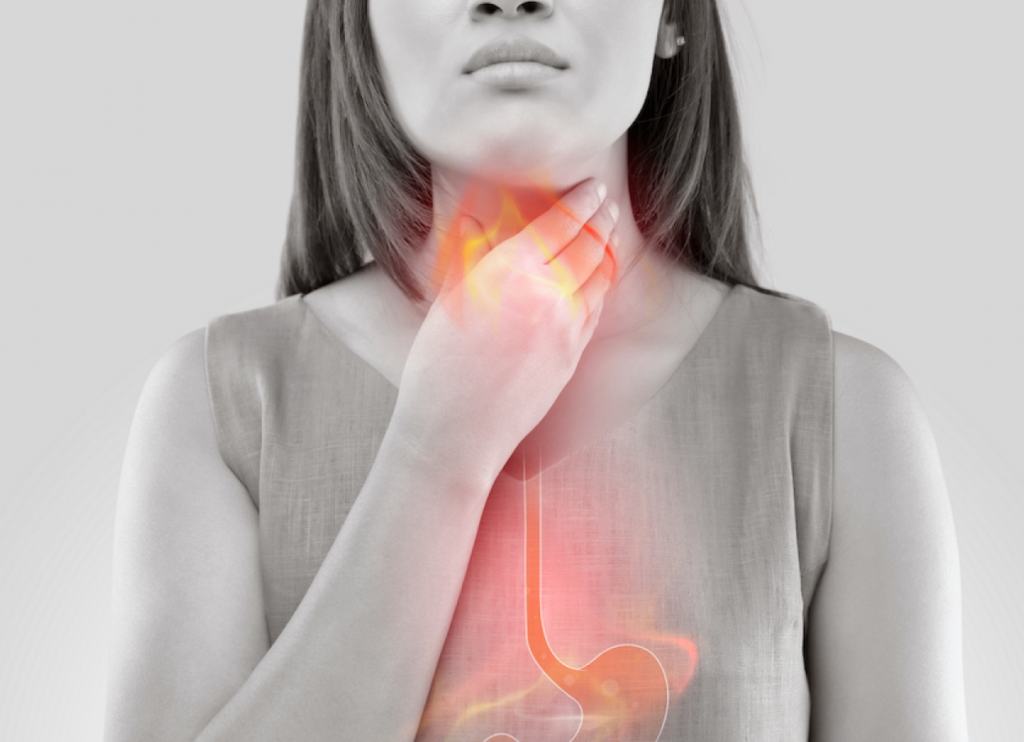
ToggleGERD, or gastroesophageal reflux disease, occurs when stomach contents — including acid, food, or liquid — flow backward from the stomach into the esophagus, and sometimes up into the throat or mouth.
This backflow can irritate the lining of the esophagus and cause a burning sensation in the chest or throat, commonly known as heartburn.
📌 Overview
- GERD is not life-threatening, but it can significantly affect quality of life, disrupting sleep, diet, and daily comfort.
- Occasional heartburn is common, but if symptoms are frequent or severe, it may be GERD.
- Early management is important to avoid complications.
🔎 Note: Heartburn is not the same as indigestion (dyspepsia). If you’re unsure, speak to your healthcare provider.
⚠️ Symptoms of GERD
Symptoms can vary between individuals. Common symptoms include:
- Heartburn – burning chest pain, often after meals or when lying down.
- A sour or bitter taste in the mouth.
- Sore throat or hoarseness.
- Chronic cough or a throat that feels sore or irritated.
- Asthma-like symptoms or worsening asthma.
- Chest pain (not heart-related).
- Feeling like food is stuck or a lump in the throat.
- Nausea, frequent burping, or vomiting.
🚨 Alarm Symptoms
These may indicate more serious conditions. Seek medical help immediately if you experience:
- Chest pain with activity (e.g. climbing stairs).
- Unexplained weight loss.
- Difficulty swallowing or choking while eating.
- Vomiting blood or material resembling coffee grounds.
- Black or red stools.
🔍 What Causes GERD?
Common causes and risk factors include:
- Obesity or being overweight
- Pregnancy
- Certain medications (ask your doctor)
- Smoking or alcohol use
- Aging
- Large meals, eating late, or eating quickly
- Specific foods and drinks (see below)
➤ Hiatal Hernia
A hiatal hernia occurs when part of the stomach pushes into the chest through the diaphragm. It can contribute to reflux but often has no symptoms.
🧪 Tests for GERD
Most people with GERD symptoms don’t need testing initially. However, your doctor may recommend tests if:
- Symptoms don’t respond to treatment
- There are signs of complications
- You have alarm symptoms
Common Tests:
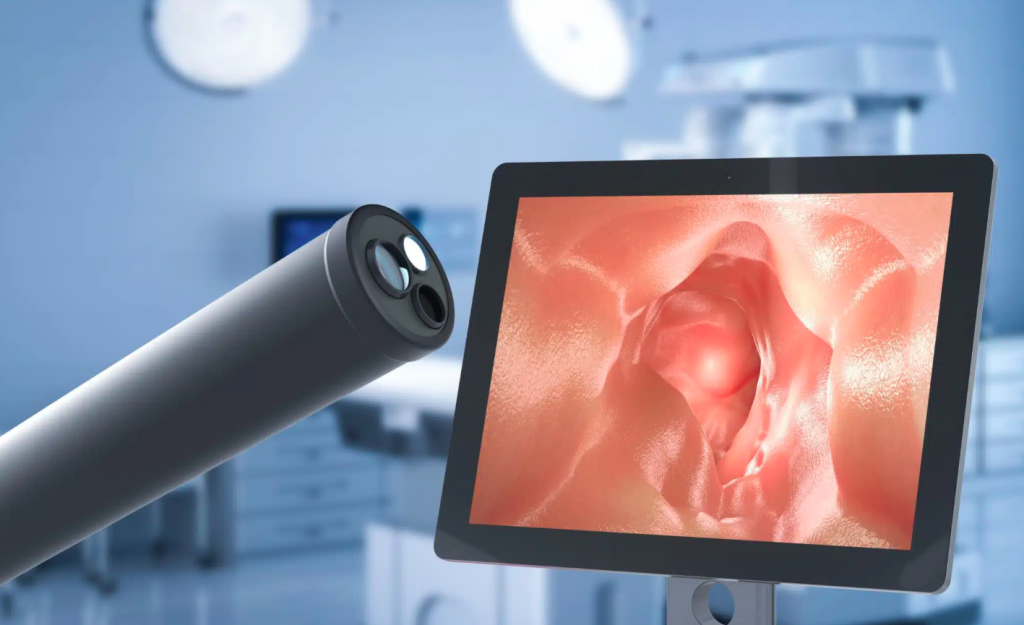
- Upper endoscopy (with or without biopsy): A flexible tube with a camera is used to examine your esophagus and take tissue samples if needed.
💊 Treatment for GERD
Treatment usually involves a combination of lifestyle changes, medications, and, in some cases, surgery.
✅ Daily Habits
- Avoid foods and drinks that trigger heartburn.
- Eat smaller meals and avoid overeating.
- Stop eating at least 3 hours before bed.
- Raise the head of your bed by 4–6 inches.
- Lose weight if overweight.
- Avoid tight clothing and body shapers.
- Quit smoking.
⚠️ Foods That Can Trigger GERD
- Fried or fatty foods
- Chocolate
- Peppermint
- Alcohol
- Coffee (even decaf)
- Carbonated drinks
- Tomato sauce, ketchup, mustard, vinegar
- Citrus fruits and juices
💊 Medications
Your doctor may recommend:
- Antacids
- H2 blockers
- Proton pump inhibitors (PPIs)
- Prokinetics (in some cases)
🏥 Surgery
If symptoms are severe or don’t respond to medication, surgery such as fundoplication may be recommended. This is also an option for patients who want to avoid long-term medication.
⚠️ Complications of Untreated GERD
- Esophagitis – inflammation of the esophagus.
- Stricture – narrowing of the esophagus due to scarring, leading to swallowing difficulty.
- Respiratory issues – including chronic cough or asthma-like symptoms.
- Barrett’s esophagus – a change in the esophagus lining that increases the risk of esophageal cancer.
🩺 When to Talk to a Doctor
Contact your gastroenterologist or primary care provider if:
- Your symptoms persist despite changes in diet and medication
- You experience any alarm symptoms
- You are unsure whether your symptoms are caused by GERD
🛡️ How to Prevent GERD
- Don’t smoke
- Maintain a healthy weight
- Eat a balanced, fiber-rich diet
- Avoid trigger foods
- Limit alcohol and caffeine
- Exercise regularly (but avoid crunches and exercises that increase abdominal pressure)