Table of Contents
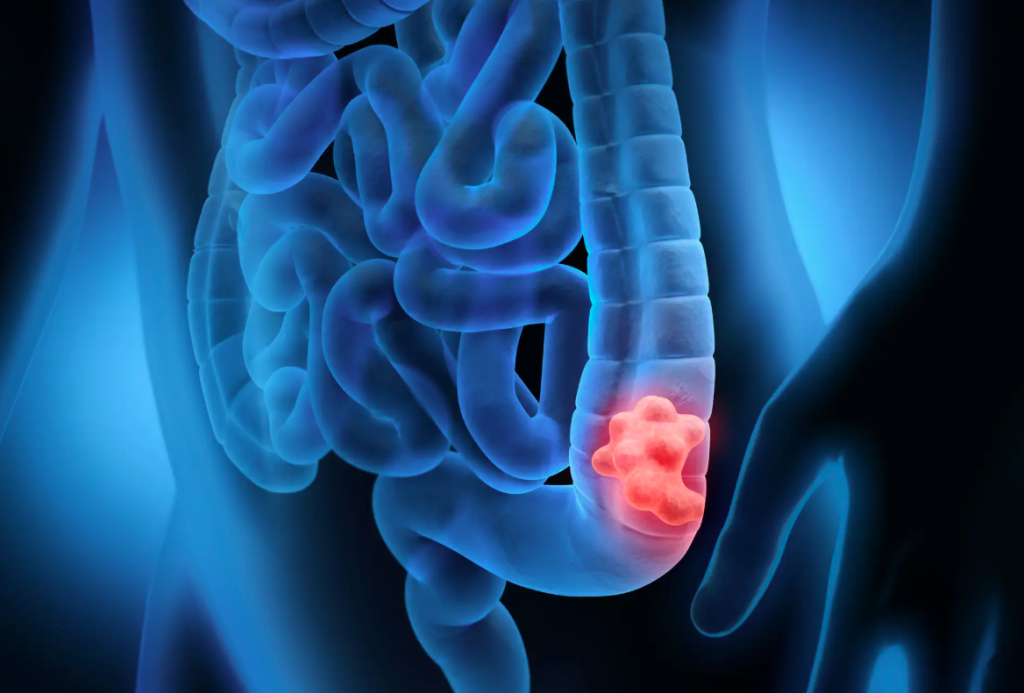
ToggleColorectal cancer (also called colon cancer) is cancer that develops in the colon and/or rectum. It occurs when abnormal growths in the lining of the colon or rectum become cancerous over time.
About the Colon and Rectum
- The colon is a vital part of your digestive system that absorbs water and minerals from digested food.
- The rectum is the final portion of the colon and stores undigested solid waste.
- Together, they make up the large intestine, a thick tube about 150cm long.
How Does It Start?
Most colorectal cancers begin as precancerous polyps, such as:
- Adenomatous polyps
- Serrated polyps
Polyps are slow-growing, mushroom-like or flat growths that form over 5 to 10 years. While not all polyps become cancerous, removing precancerous polyps can prevent colorectal cancer altogether.
Why Early Detection Matters
When caught early—before symptoms develop—colorectal cancer is often curable with surgery. Early detection leads to:
- Easier treatment
- More treatment options
- Higher survival rates
Who Is at Risk?
As of 2024:
- Colorectal cancer is the third most common cancer in both men and women.
- It is the second-leading cause of cancer deaths in the U.S.
- Men are at slightly higher risk than women at any given age.
- Black individuals and American Indians/Native Americans have higher diagnosis and death rates compared to White individuals.
Colorectal polyps and cancer are most common after age 45, but rates in younger adults (under 50) have been rising since the 1990s.
When Should You Get Screened?
- Average risk: Start at age 45.
- Family history: Start at 40, or 10 years before the age at which your relative was diagnosed.
- High-risk individuals (e.g., Crohn’s disease, ulcerative colitis, hereditary syndromes, or prior abdominal radiation): Talk to your doctor about an earlier screening plan.
Screening Saves Lives
- Routine screening can prevent or detect cancer early, often before symptoms appear.
- With regular screening, more than one-third of colorectal cancer deaths could be avoided.
- Screening is safe, effective, and recommended for all adults.
Common Symptoms (When They Do Appear)
Colorectal cancer typically has no symptoms in the early stages. When symptoms do appear, they may include:
- Rectal bleeding or blood in your stool (bright red, black, or very dark)
- A change in bowel habits (especially pencil-thin stools)
- Feeling the need to have a bowel movement that doesn’t relieve itself
- Cramping or persistent lower belly pain
- Gas pain
- Unexplained weight loss
Why Not Just Wait for Symptoms?
Because:
- Polyps often cause no symptoms.
- Early-stage cancer is easier to treat.
- Cancers found in symptom-free people are more likely to be cured.
What to Do If You Have Symptoms
If you experience any of the above, contact your gastroenterologist or primary care doctor immediately. They will ask about your symptoms and help determine the best diagnostic test.
Risk Factors
Your risk increases with:
- Family history of colorectal cancer or polyps
- Hereditary polyp syndromes
- Crohn’s disease or ulcerative colitis
- Age (risk rises significantly after age 45)
- Black racial background
Questions to Ask Your Doctor
- What are my screening options based on my history?
- What are the risks and benefits of each option?
- What happens if a polyp is found?
- How should I prepare for screening?
- How often should I be screened if no polyps are found?
- If a polyp is found, when do I screen again?
- How often do you perform these tests?
- When is a colonoscopy needed after another test?
How to Lower Your Risk
Along with screening, healthy lifestyle choices can reduce your risk:
- Don’t smoke or use tobacco
- Eat a high-fiber diet (whole grains, fruits, vegetables)
- Include cruciferous vegetables (broccoli, cabbage, cauliflower)
- Increase calcium and vitamin D intake
- Limit:
- Red meat, fatty foods, and oils
- Highly processed and salt-cured foods
- Alcohol
- Charcoal-grilled foods
- Maintain a healthy weight
- Stay active
Final Word
Colorectal cancer is preventable, treatable, and often curable—but only if it’s found early.
Talk to your doctor today about getting screened.
Reviewed by: Dr. Folasade (Fola) Popoola, MD, PhD, MPhil
Assistant Professor of Medicine, University of California, Los Angeles (UCLA Health)